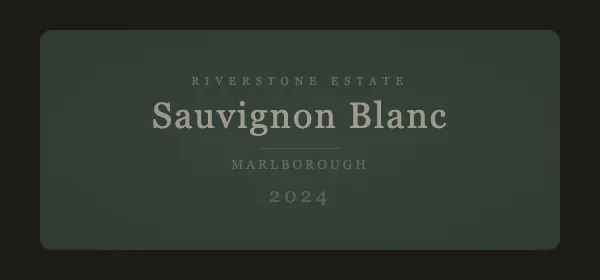
Embellishments are the finishing details that make a label catch light, cast a shadow or feel different in hand. They can help a reserve wine, craft spirit, premium honey or cosmetic product justify its position on shelf, but they need to be chosen with the stock, artwork and run size in mind.
Hot foil
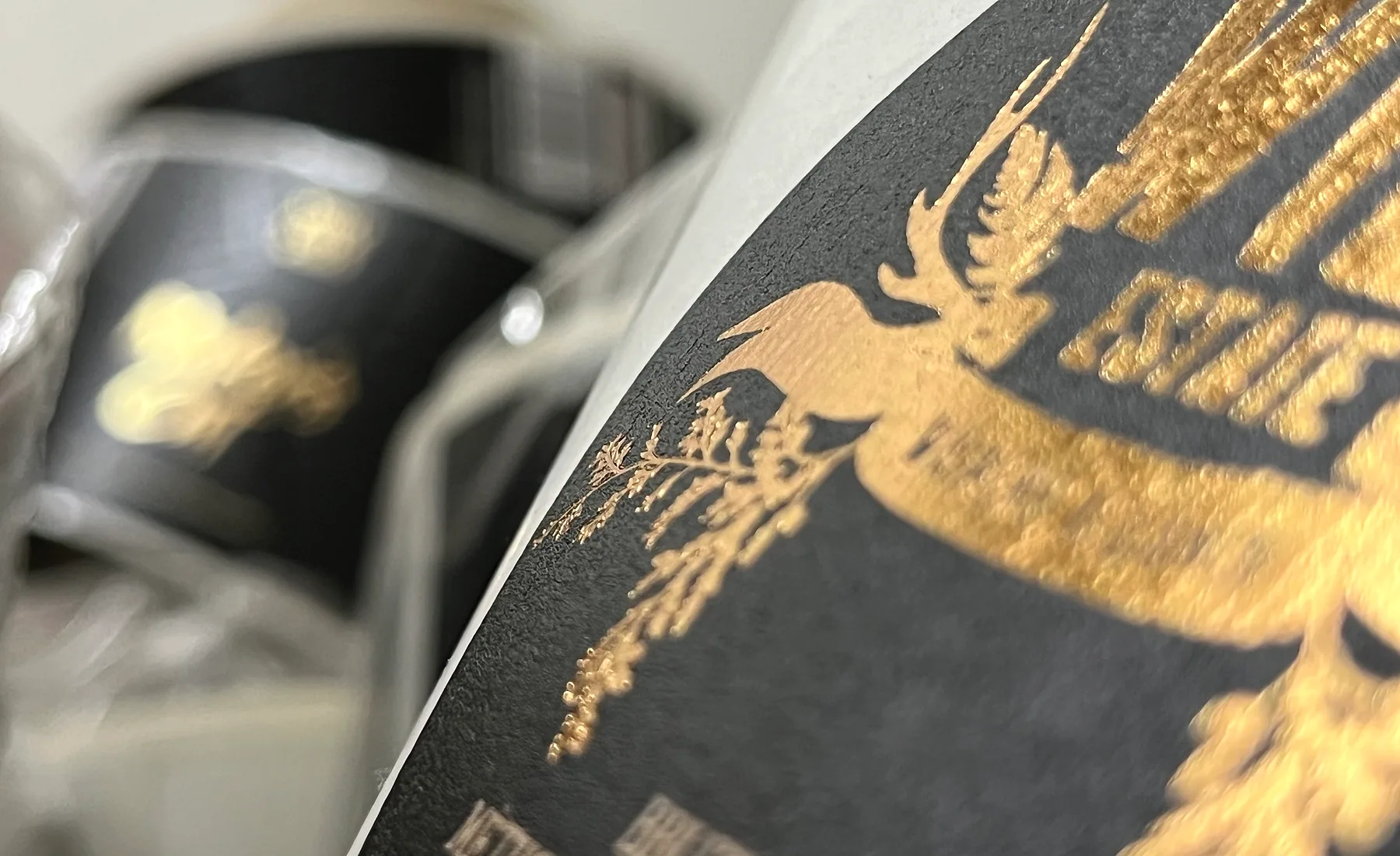
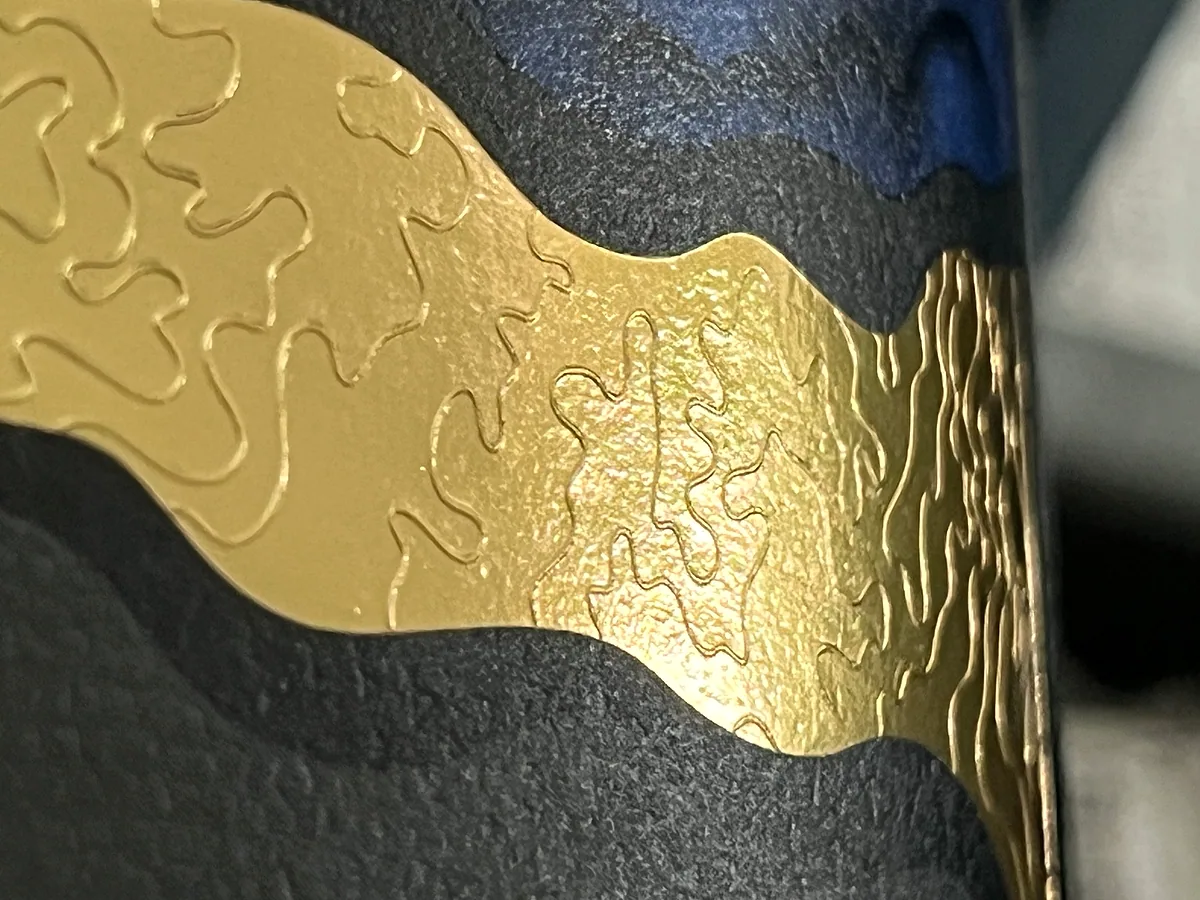
Hot foil stamping applies metallic or pigment foil to selected parts of the label. Gold and silver are the most popular choices. Copper and holographic are also available, with custom colours where the brand needs a specific finish. Foil works well on crests, names, borders, medals, vintage marks and small shelf-cue details. It is the usual choice for premium wine labels and spirit labels, where a crest or a name needs to catch the light.
Foil behaves differently on different stocks. A smooth coated stock gives a cleaner mirror finish. A textured paper gives a more tactile, crafted result. We proof finish direction on the chosen material before the job moves to production.
Embossing and debossing
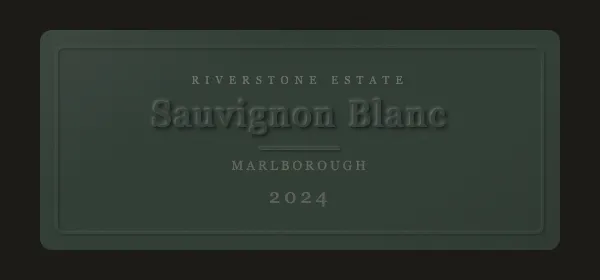
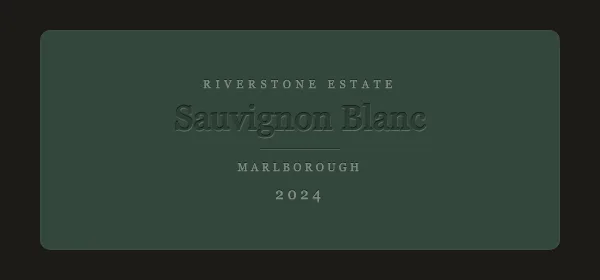
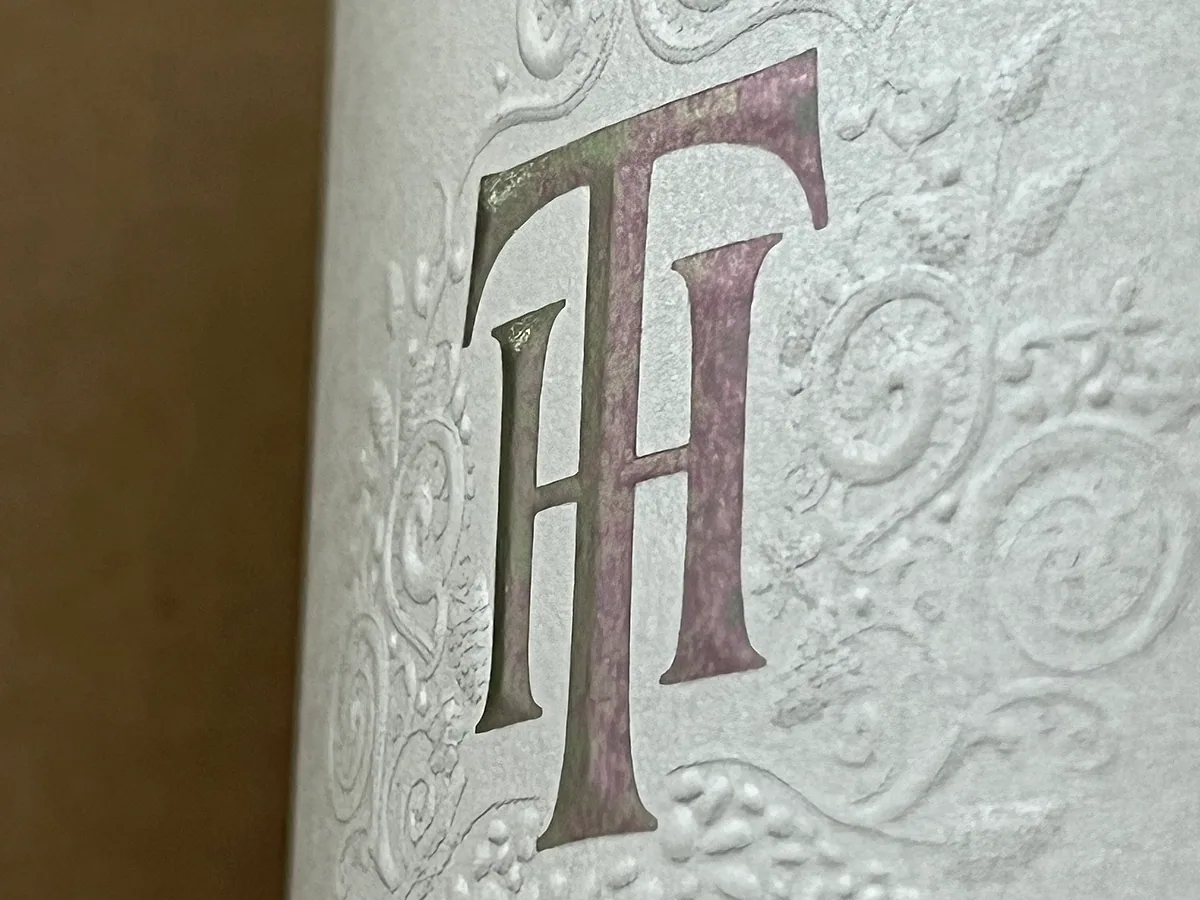
Embossing raises part of the label surface. Debossing presses it down. Both add a physical mark that a customer can feel before they read the label. They are strongest on brand marks, typographic details, illustration elements and premium borders.
Deep embossing needs a stock that can hold the relief. Cotton, linen and heavier textured papers usually perform better than thin papers or highly synthetic films. Registered embossing can sit under or beside foil when the artwork needs a more precise finish stack.
Spot UV and raised UV
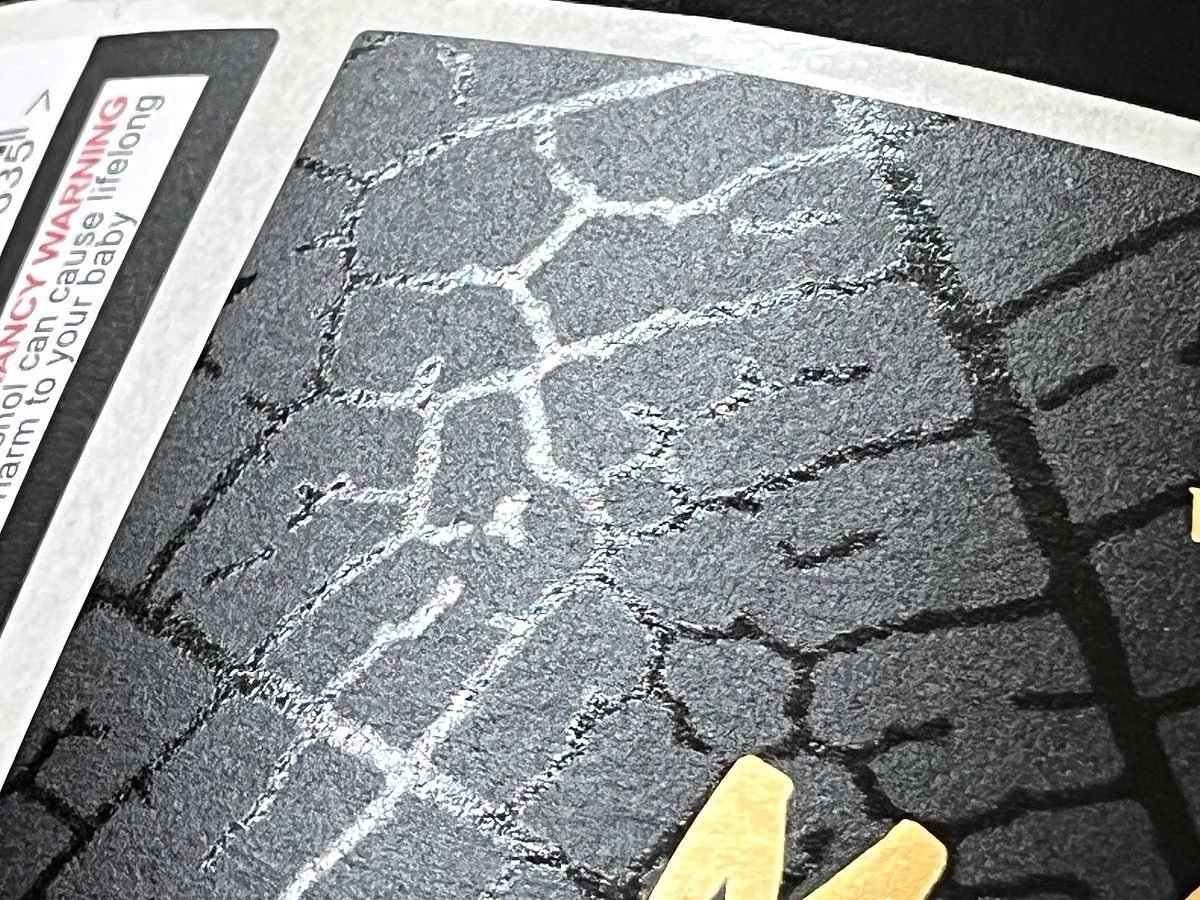
Spot UV adds gloss to selected parts of an otherwise matte label. Raised UV adds more physical height, creating a glossy texture that catches both light and touch. These finishes suit logos, flavour panels, botanical illustrations, pattern work and subtle premium accents.
Raised UV is useful where foil would feel too loud or where the brand wants detail customers can feel without adding metallic shine.
Laminations and varnishes
Matte, gloss and specialty laminations protect the print and tune the final feel. Matte reads more understated. Gloss gives colour more punch. Varnish can protect the surface or add selected contrast without changing the whole label.
For chilled, wet, oily or handled products, protection matters as much as the visual effect. We match the laminate or varnish to how the product will actually be used.
Choosing the right finish
The best finish is usually the one that supports the product positioning without making the label harder to produce or harder to read.
- Wine and spirits: textured paper, foil and embossing.
- Honey and gift food: foil, tactile stock and selective gloss.
- Cosmetics: raised UV, clear film, foil accents and durable laminations.
- Craft beer and chilled drinks: matte or gloss laminate, spot UV and moisture-resistant materials.
Foil and embossing add setup cost, so they weigh more on a short run. You can see what foil adds to your label cost before you ask for a quote.
If you already have artwork, send it with the quantity, stock direction and finish ideas. We will come back with a practical recommendation and flag anything that may not print cleanly.